With $200 million in Series E funding and a new $5.5 billion valuation, Harness will scale its AI-powered platform for security, compliance and reliability in software development. The investment will support R&D into AI agents, testing, cost optimization and security for AI workloads.
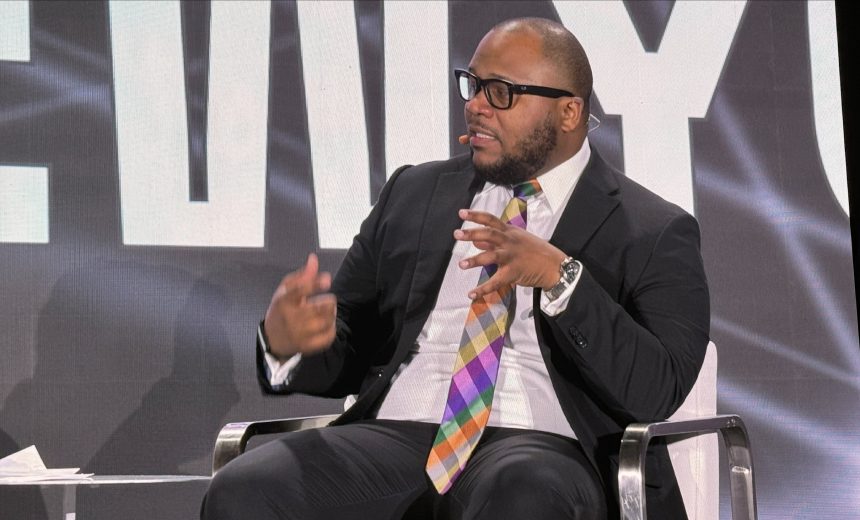
New York City gets a new mayor on Jan. 1, and while no one knows Zohran Mamdani's plans for using artificial intelligence, the city's AI Action Plan will ensure a strong foundation for innovation, city Chief Technology Officer Matthew Fraser told attendees at The AI Summit in Manhattan on Wednesday.
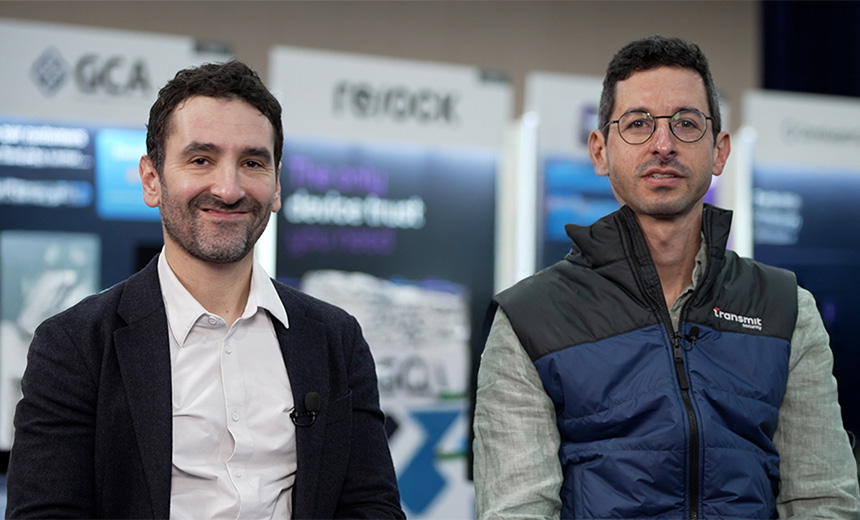
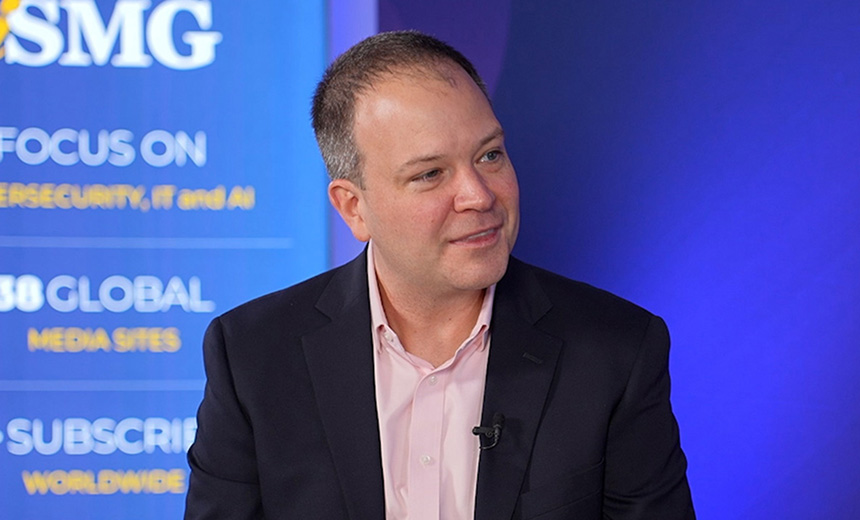
AI agents acting on behalf of users are disrupting traditional identity frameworks. Google Cloud's Aaron Sutton and Transmit Security's Danny Kadyshevitch explain how organizations should build trust, enforce policies and manage agent behavior in an era of machine-to-machine interaction.
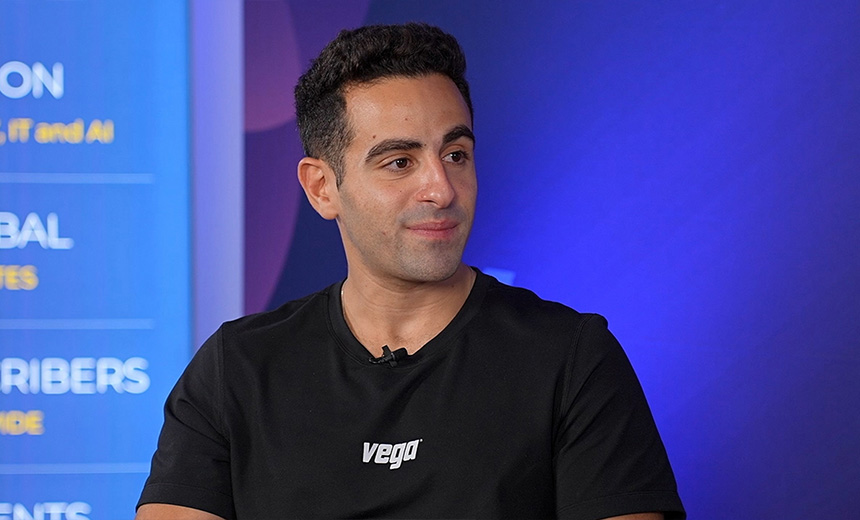
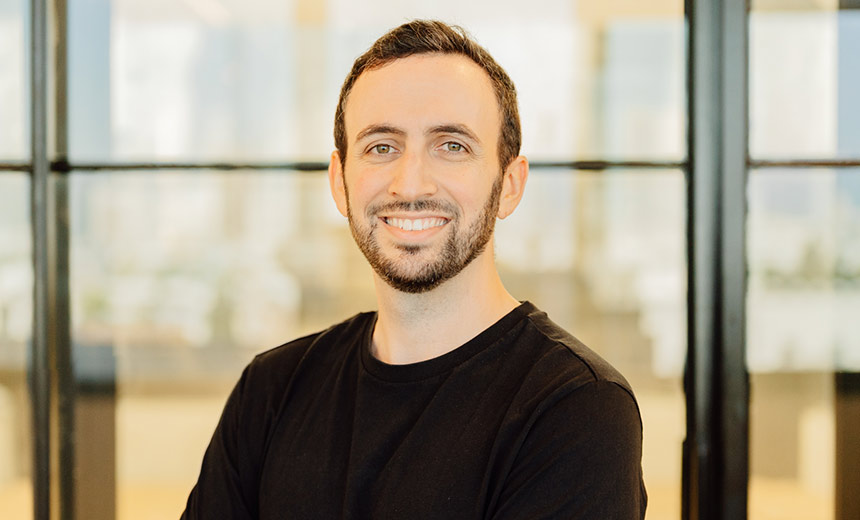
Threat detection systems have traditionally aggregated telemetry into a single repository, but that model can no longer keep pace with the scale, cost and diversity of enterprise security data, said Eli Rozen, co-founder and CTO at Vega.
Bad news for any organization that's ever paid a ransom in a bid to avoid their breach coming to light, or for a promise from attackers to delete stolen data, with a study of seized LockBit data finding that victims who paid a ransom were more likely to see the attack get detailed in the media.
Drug research firm Inotiv in a filing with federal regulators said it is still evaluating the financial and operational impact of an August cyberattack that's linked to ransomware gang Qilin. The company is also notifying nearly 10,000 people whose data was allegedly stolen in the incident.
BNY is integrating Google Cloud's Gemini Enterprise agentic artificial intelligence platform into its proprietary enterprise AI platform, Eliza. The move represents an evolution from AI as a pilot project to AI as infrastructure for the global financial services organization.
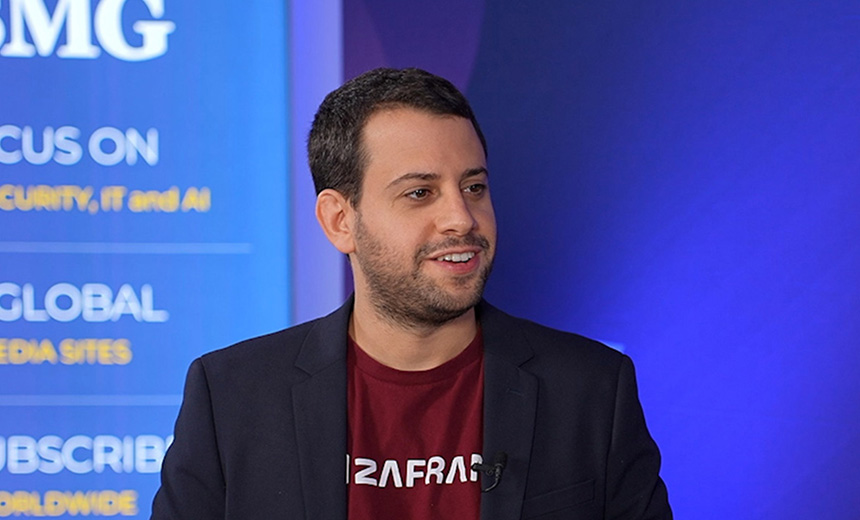
AI-generated code expands the attack surface as attackers use autonomous agents to find and exploit flaws in hours. Snir Havdala, co-founder and chief product officer at Zafran Security, said attackers build specialized agents that handle reconnaissance, exploitation and rapid adaptation.
Cybercriminals are using AI to craft tailored email-based attacks that bypass traditional defenses. This shift to targeted email compromise and rising volumes of sophisticated tactics have placed new pressure on organizations, says Neal Bradbury, chief product officer at Barracuda.
Two specialty healthcare providers - a Florida-based firm that provides hospice services in several states and a Pennsylvania-based eye care practice - are notifying nearly 520,000 people that their sensitive health information was compromised in separate hacking incidents.
With a $36 million investment, Clover Security plans to expand its suite of AI agents that automate security reviews and improve collaboration with developers. The company says this proactive approach helps manage risks introduced by AI-driven software creation.
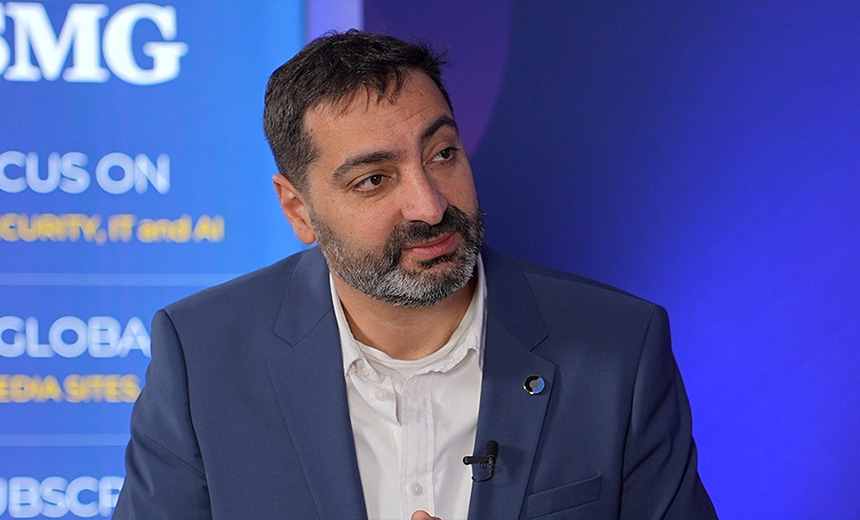
Accurate data and operational context are essential for security teams to identify root causes and deploy effective fixes in cloud environments, says Gil Geron, co-founder and CEO, Orca Security. He explains how AI-driven insights can bridge longstanding gaps between security and engineering teams.
Google faces a fresh probe into its competitive practices after the European Union said it will investigate the search engine giant's propensity to convert web content into fuel for its artificial intelligence models. The commission said the investigation is a "matter of priority."
Over the last 25 years, Fortinet has risen from a small engineering startup to one of the world's largest cybersecurity companies on offer – all by remaining rooted in innovation and maintaining a customer-first mindset.
Fraudsters are exploiting weak state controls to create synthetic businesses for less than $150, with potential payouts of more than $100,000 for each fake identity. Synthetic entity fraud has rapidly shifted from a niche threat to a mainstream risk, said Dun & Bradstreet's Andrew La Marca.
Our website uses cookies. Cookies enable us to provide the best experience possible and help us understand how visitors use our website. By browsing govinfosecurity.com, you agree to our use of cookies.