Multiple large enterprises that inherited SonicWall SSL VPN devices when they acquired a smaller entity have fallen victim to the Akira ransomware group, security researchers warn. Investigations of multiple intrusions found they began when attackers used "unmonitored and unrotated" credentials.
AI is helping adversaries detect zero-day vulnerabilities and fuel attacks that outpace traditional defenses. Susmita Nayak and Craig D'Abreo, senior directors of product at Lumen Technologies, outline why traditional security strategies can no longer contain the proliferation of cyberattacks.
Cisco says it will proactively alert network administrators when insecure configurations are detected and will eventually disable insecure features by default. The move comes after Chinese hackers exploited known vulnerabilities in Cisco equipment during major telecom breaches.
While quantum computing promises advances in fields such as healthcare and financial modeling, cybersecurity experts say Q-Day also poses a fundamental risk to the cryptographic standards that secure communications, digital signatures and transactions worldwide.
The U.S. cyber defense agency issued new patch guidance after discovering multiple federal agencies failed to properly secure Cisco firewalls, leaving federal networks exposed to exploitation by a suspected Chinese threat actor despite a prior emergency directive.
Researchers from AWS said they spotted a hacking campaign taking advantage of a zero-day vulnerability in Cisco network access control software before the routing giant patched it earlier this year. The flaw let attackers perform pre-authentication remote code execution.
The Congressional Budget Office has been the subject of an apparent cyber incident, officials confirmed Friday, raising concerns that adversaries may have gained access to sensitive data used to inform U.S. legislative decisions amid ongoing federal cyber staffing shortages.
Microsegmentation has long been touted as the gold standard for restricting lateral movement by hackers. It helps lock down network traffic and reduces the blast radius of a breach. Vendors say it's transformative, but if you walk into most large enterprises, you'll will find it half-implemented.
The Australian cyber defense agency warned that hackers are attacking unpatched Cisco IOS XE enterprise devices to leave behind a web shell the networking manufacturer calls "BadCandy." At least 150 Cisco devices in Australia carry the implant as of late October.
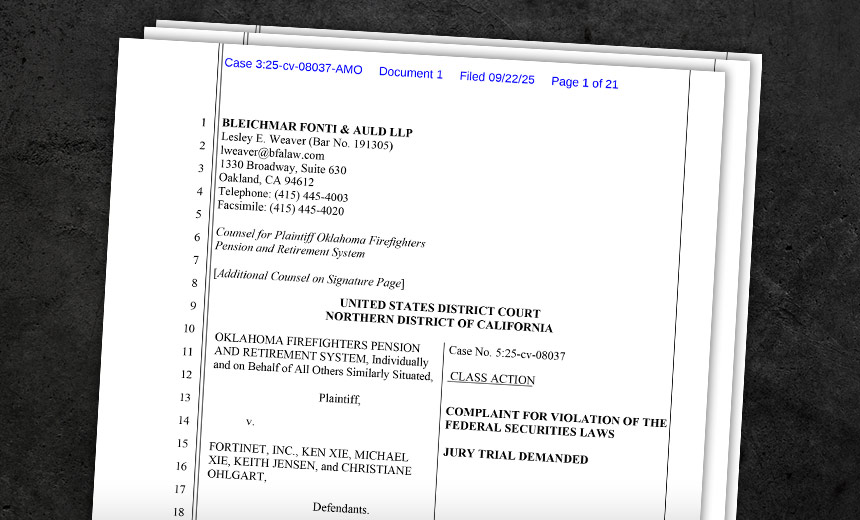
Public pension funds filed securities fraud lawsuits claiming Fortinet misled investors by overstating the value and timing of a major firewall refresh cycle. The lawsuits allege the refresh involved outdated products and had limited business impact, contradicting Fortinet's upbeat public messaging.
The second-largest acquisition in cybersecurity history included initial outreach in 2023, the seller nearly walking away and an accelerated announcement timeline due to media leaks. Palo Alto CEO Nikesh Arora first approached CyberArk Chairman Udi Mokady about a potential deal back in May 2023.
Attackers wielding Akira ransomware appear to be engaged in an "opportunistic, mass exploitation" of SonicWall SSL VPN servers, even when they're using the latest firmware and configured to require multifactor authentication one-time passwords, warn cybersecurity researchers.
A hacking group associated with widespread compromise of edge devices is a Chinese-state-aligned group, says cybersecurity firm Recorded Future. The firm says the threat actor, which it now tracks as RedNovember, is "highly likely a Chinese state-sponsored threat activity group."
CISA issued an emergency directive Thursday after discovering an advanced hacking campaign exploiting two persistent zero-days in Cisco firewall gear - malware that survives system reboots and upgrades - forcing agencies to disconnect vulnerable devices by Friday.
Firewall maker SonicWall is telling customers to reset credentials after hackers stole firewall configuration backup files stored in its cloud service. Hackers launched brute force attacks against servers storing backup files. They stole configuration data of roughly 5% of the install base.
Our website uses cookies. Cookies enable us to provide the best experience possible and help us understand how visitors use our website. By browsing govinfosecurity.com, you agree to our use of cookies.