Researchers demonstrated that it is feasible to encode executable payloads into synthetic DNA that, once sequenced and processed, could trigger malware in sequencing software. When a vulnerability in a sequencer becomes a vulnerability in national health or food security, the stakes are existential.
Microsoft, Nvidia and Anthropic just formed the latest closed-loop artificial intelligence partnership, tying cloud, hardware and models into a single circuit. While it signals consolidation at the top, founders say it's also creating a surprising tailwind for domain-focused AI startups.
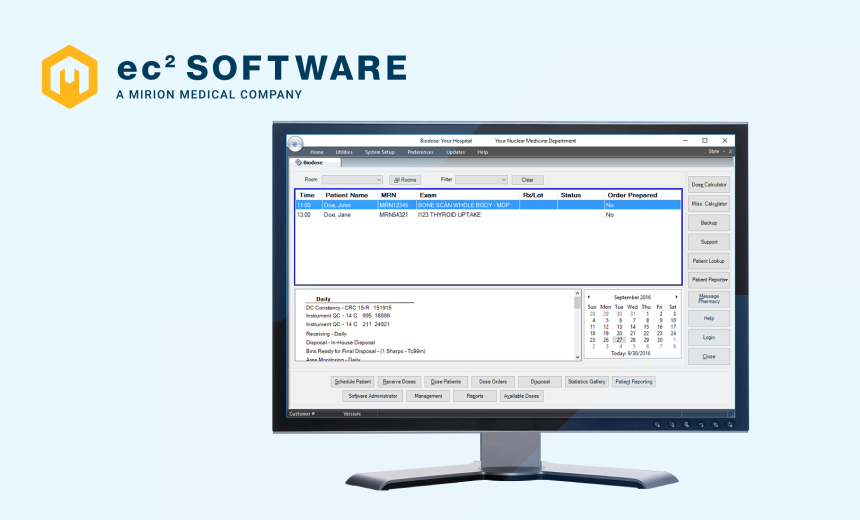
U.S. federal authorities are warning that several high-severity vulnerabilities discovered in Mirion Medical Co. inventory tracking software used by nuclear medicine departments could allow attackers to modify program executables and gain access to sensitive information.
The Food and Drug Administration is warning that Life 2000 - an at-home ventilation system built by medical device maker Baxter - has been permanently recalled due to a cyber issue that could allow individuals with physical access to tamper with the gear's life support settings.
Jay McBain of Omdia explains how demographic shifts, AI-driven architectures, and major mergers and acquisitions are fueling cybersecurity platform strategies, changing procurement and redefining startup investment trajectories.
The U.S cyber defense agency issued an alert outlining how commercial spyware and state-aligned groups are abusing messaging-app features through malicious QR-based linking and zero-click exploitation to monitor U.S. government, military and other high-profile figures.
As fresh vulnerabilities in hardware keep coming to light, one question remains: What vendors can do to better prevent, identify and eradiate flaws? One shortlist offered by veteran hardware hackers centered on the upsides of engagement, including bug bounty programs.
Newly revised "model contract language" guidance from the Health Sector Coordinating Council provides an updated reference document to help healthcare providers and medical device makers better articulate and evaluate cyber considerations when negotiating purchases of products and services.
Learn how organizations are integrating CrowdStrike indicators of misconfiguration (IOM's), indicators of attack (IOA's), and indicators of compromise (IOC's) directly into Google security products. The conversation will explore how combining endpoint, identity, and cloud-native signals helps defenders gain the upper...
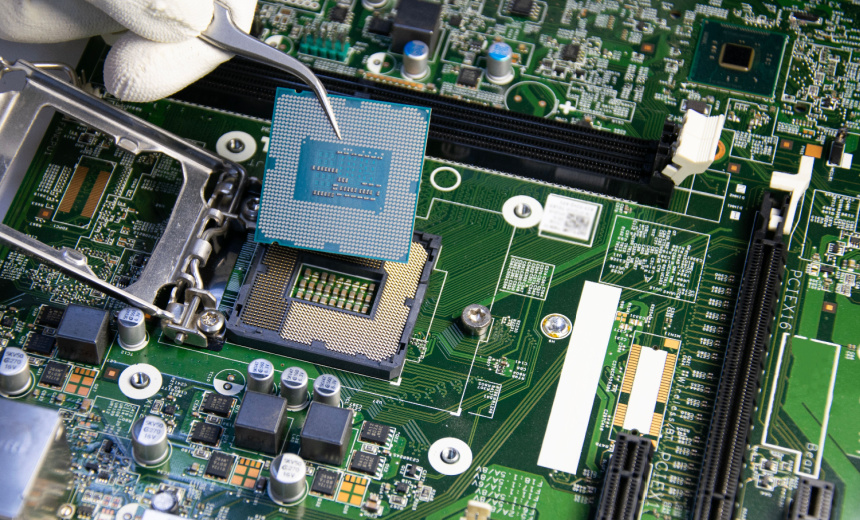
Attackers tampering with microchips after they've left the factory but before they get deployed by end users remains a long-running hardware security challenge. Hardware security researcher Andrew "Bunnie" Huang's solution involves using infrared light to literally see if chips look legitimate.
Suspected Chinese cyberespionage hackers have commandeered tens of thousands of Asus routers in an operation showing a heavy emphasis on infecting devices stationed in Taiwan. The campaign tracks with reports that Beijing is actively pressing unpatched routers into ORB networks.
Modern endpoint management is undergoing a transformation through automation. This webinar explores the practical journey organizations take—from initial decision support, where AI suggests a set of good options, to implementing preapproved automated actions and robust alerting for exceptions. Attendees will learn...
Speculative execution vulnerabilities, involving CPUs that leak sensitive data through their memory cache, remain a cloud services risk, as proven by Google Cloud recently awarding a record $151,515 bounty to a team of Amsterdam researchers who demonstrated an exploit dubbed L1TF Reloaded.
Hackers used previously unknown commercial spyware dubbed "Landfall" to surveil the activities of Samsung Galaxy device owners in the Middle East, say security researchers who posit the threat actor has connections to the United Arab Emirates.
Our website uses cookies. Cookies enable us to provide the best experience possible and help us understand how visitors use our website. By browsing govinfosecurity.com, you agree to our use of cookies.