As organizations shift workloads back to the mainframe and reliance grows across banking, insurance, government, and transportation, the consequences of a mainframe breach have never been more severe. Yet the platform is often overlooked in modern cybersecurity programs, leaving teams with limited visibility,...
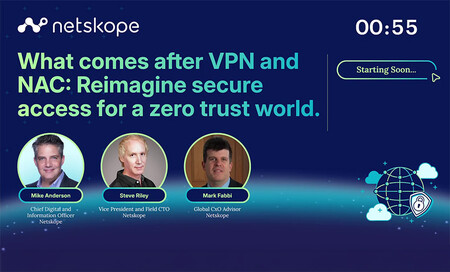
Traditional access controls like VPNs and NAC can’t keep up with cloud-first, perimeterless enterprises. Join experts from Netskope and former Gartner VP Mark Fabbi to explore modern, unified access strategies built for the Zero Trust era.
Deep network visibility has become central to Zero Trust strategies, and it is reshaping how organizations secure hybrid, multicloud, and OT environments. In this Forrester Wave evaluation, analysts examine the leading Network Analysis and Visibility (NAV) providers and highlight how their capabilities, integrations,...
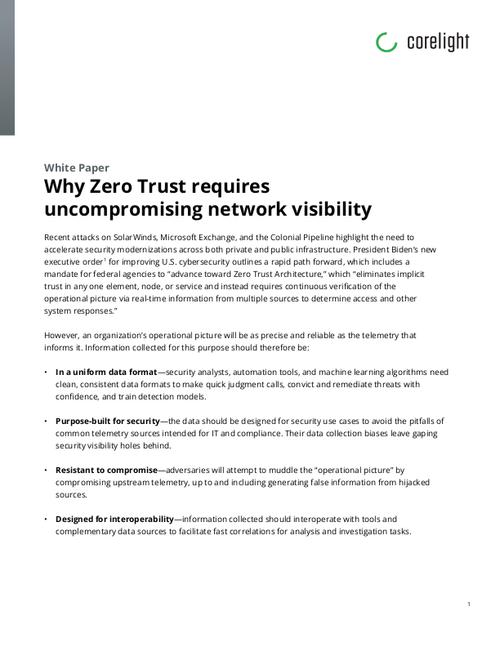
This whitepaper outlines why Zero Trust architectures demand uncompromising network visibility to deliver continuous verification, resilience, and interoperability across hybrid environments. It demonstrates how relying solely on endpoint detection leaves critical blind spots, while comprehensive network telemetry...
Microsegmentation no longer remains a buzzword. In today's threat landscape, organizations are adopting it as a frontline defense against cyberattacks and higher cyber insurance premiums. About 90% of organizations are using some form of segmentation, according to Akamai's 2025 Segmentation Impact Study.
The orbital frontier is the next ungoverned internet - a vast, vulnerable network of over 11,000 satellites without a cybersecurity framework. As nations race to commercialize space, we've left the orbit open to attack. Who will govern space cybersecurity?
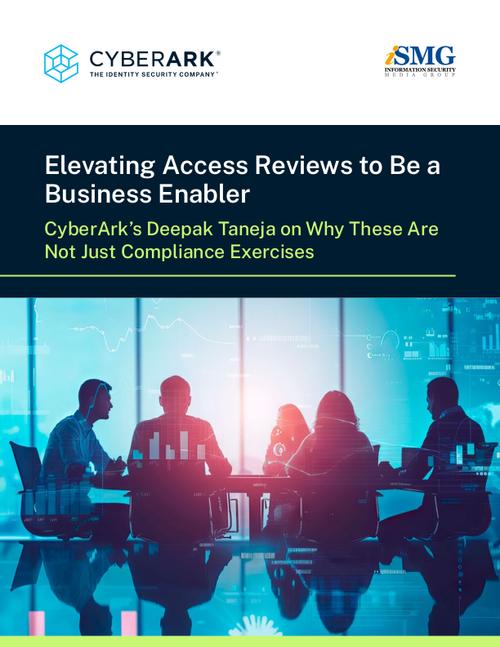
Many enterprises still treat access reviews like they are just a compliance exercise. But Deepak Taneja of CyberArk sees these as a business enabler, tying directly into broader identity security and zero trust strategies. Taneja shared his views on the expanding role of access reviews. See also: Common Pitfalls of...
Microsegmentation has long been touted as the gold standard for restricting lateral movement by hackers. It helps lock down network traffic and reduces the blast radius of a breach. Vendors say it's transformative, but if you walk into most large enterprises, you'll will find it half-implemented.
As enterprises embrace hybrid work and cloud-first strategies, the convergence of networking and security has become a strategic imperative. This session explores the evolution and future of Secure Access Service Edge (SASE), examining its key drivers, architectural models, and the rise of unified platforms. In this...
Traditional factory security can’t keep pace with modern threats. Watch how Zscaler’s Zero Trust for Factories eliminates implicit trust to deliver safer, faster, and more resilient operations.
Learn how recent cybersecurity conferences focused on resilience and shoring up critical infrastructure systems spotlight the need for virtual segmentation, OT visibility and zero trust adoption.
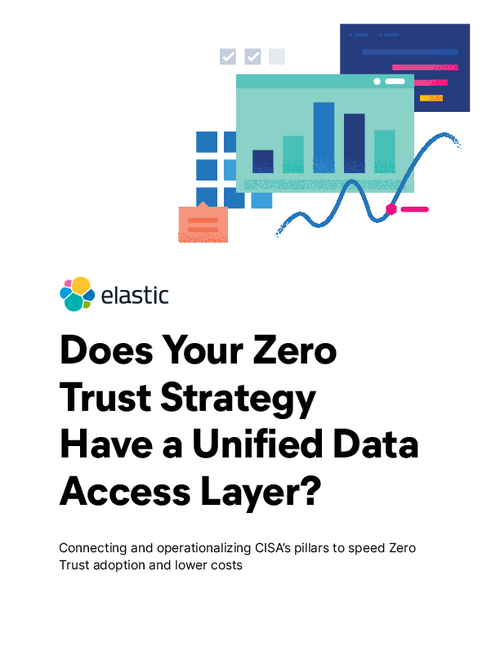
CISA's Zero Trust Maturity Model Version 2.0 aims to provide a more gradual implementation approach for U.S. government agencies. For government leaders looking for an efficient and cost-effective place to start, it can help to look at the tools and assets you already have. One of the most important aspects of a...
As workforces become increasingly distributed and applications move to the cloud, securing users and data across every edge has never been more complex. Legacy point products and fragmented architectures can’t keep pace with evolving threats—or the demand for performance and scalability. Watch this session as...
Traditional perimeter-based security models no longer meet the needs of modern networking, infrastructure, and operations teams. As cloud adoption, SaaS reliance, and remote work accelerate, organizations face new challenges in agility, scalability, and security. Security Service Edge (SSE) brings together SWG,...
Our website uses cookies. Cookies enable us to provide the best experience possible and help us understand how visitors use our website. By browsing govinfosecurity.com, you agree to our use of cookies.