AI-based attacks will come faster and the sequence of activities will be less predictable. Cyber defenders are skilled in network analysis, incident response and cloud or identity management, but in the face of AI-based attacks, they need new skills, tools and defensive tactics.
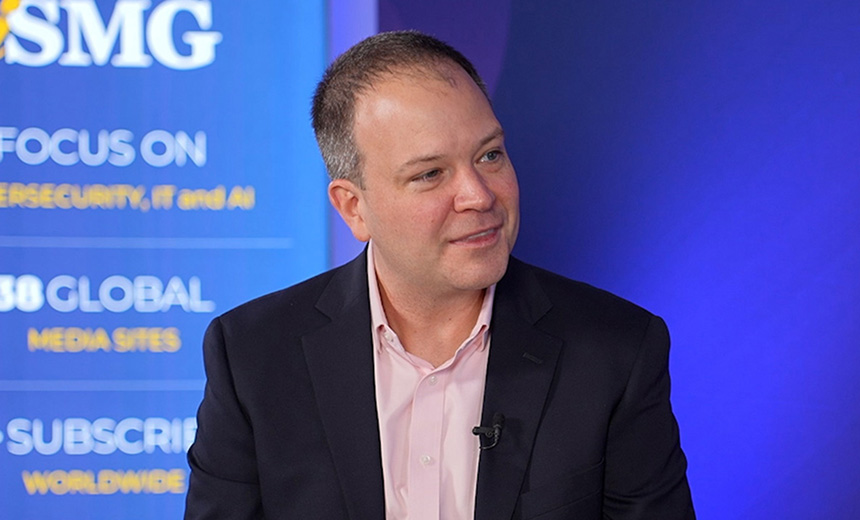
Cybercriminals are using AI to craft tailored email-based attacks that bypass traditional defenses. This shift to targeted email compromise and rising volumes of sophisticated tactics have placed new pressure on organizations, says Neal Bradbury, chief product officer at Barracuda.
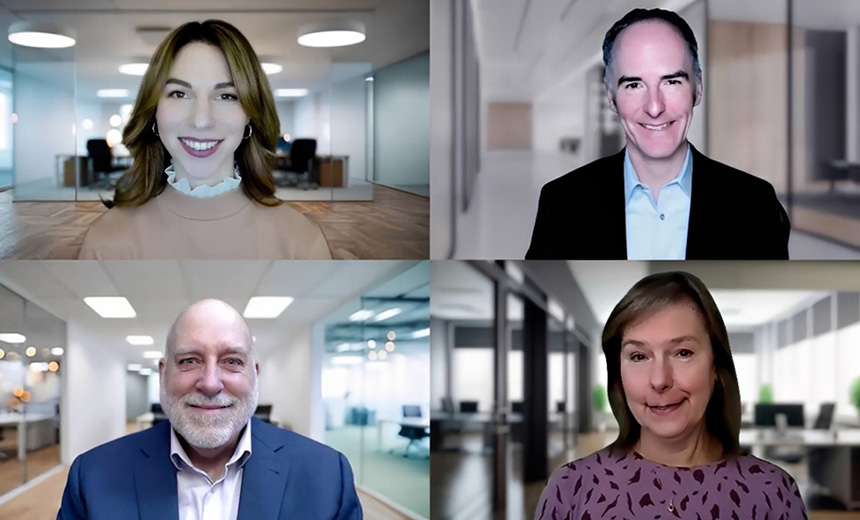
In this week's panel, four ISMG editors discussed the latest shifts in ransomware tactics, a major development in the Texas challenge to the HIPAA Privacy Rule related to reproductive rights, and how SMBs navigating AI are facing very different challenges than large enterprises.
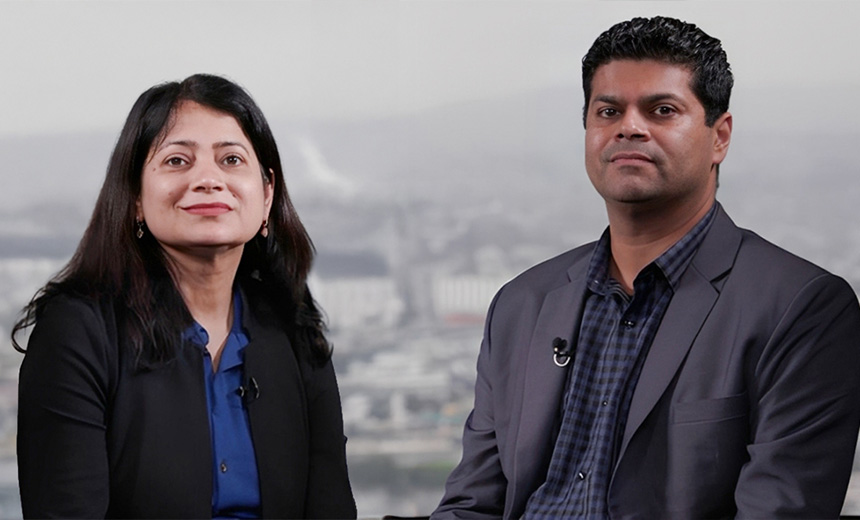
AI is helping adversaries detect zero-day vulnerabilities and fuel attacks that outpace traditional defenses. Susmita Nayak and Craig D'Abreo, senior directors of product at Lumen Technologies, outline why traditional security strategies can no longer contain the proliferation of cyberattacks.
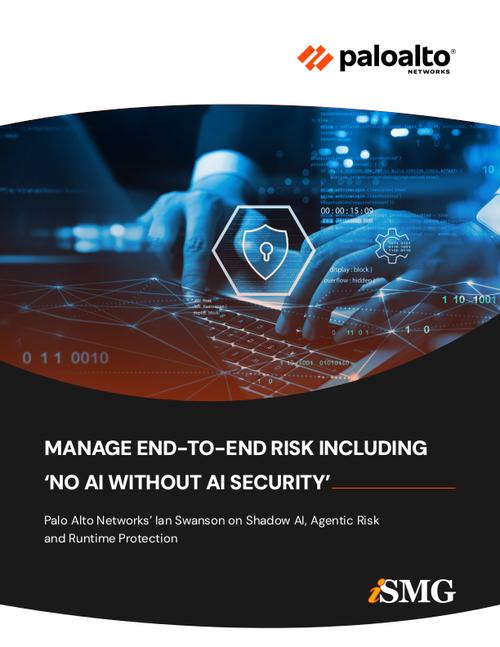
From rogue agents deleting databases to neural backdoors to sensitive data in open-source models, threats from artificial intelligence tools are already real, introducing new security risks that many teams aren't prepared to handle. Ian Swanson, AI security lead at Palo Alto Networks, said enterprises must secure AI...
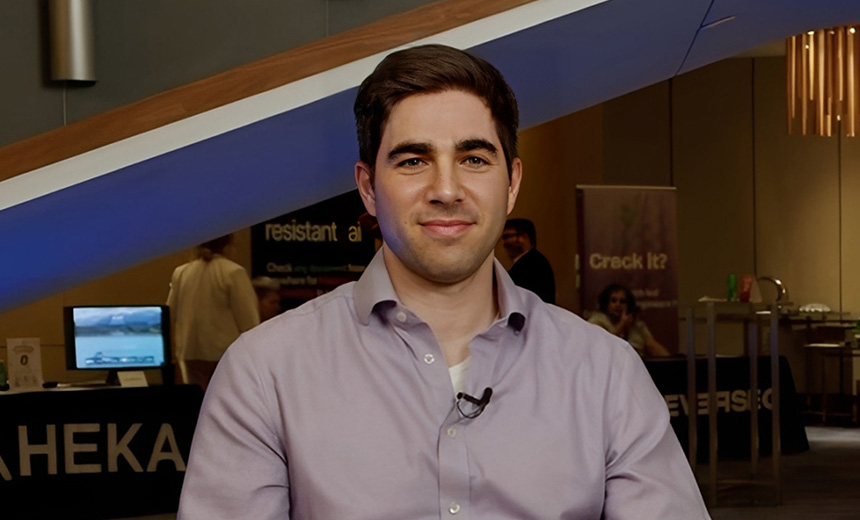
Artificial intelligence has transformed fraud from small, manual scams into industrial-scale criminal networks. Heka Global CEO Idan Bar-Dov says fraudsters now use AI to create synthetic identities, automate attacks and exploit digital systems faster than traditional defenses can respond.
Enterprises are still "underwater" when it comes to the fight against cyber fraud. Despite major investments and a renewed focus on fraud prevention, many organizations remain on the defensive as threat actors and fraudsters outpace risk mitigation and incident response.
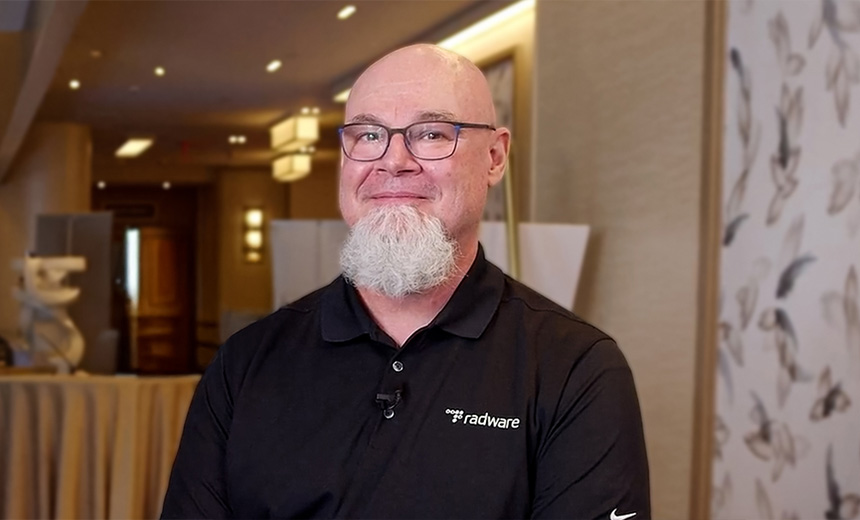
Healthcare organizations face an escalating threat from API and business logic attacks powered by artificial intelligence. Cybercriminals access tools with 56 attack methods from GitHub, making sophisticated attacks easier to execute, said Chip Witt, principal cybersecurity evangelist at Radware.
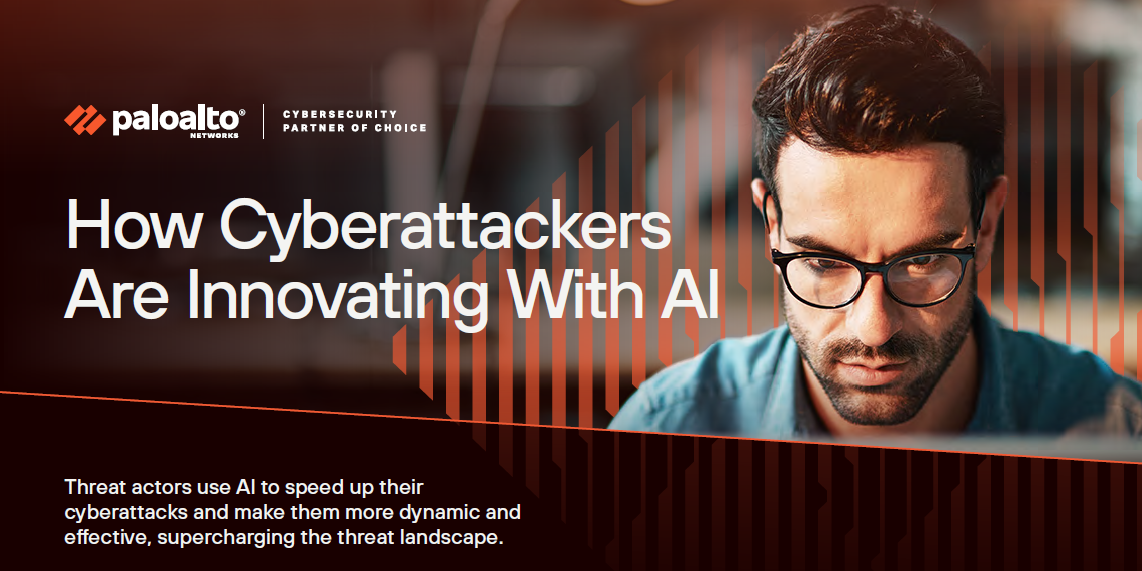
Threat actors use AI to speed up their cyberattacks and make them more dynamic and effective, supercharging the threat landscape. This infographic shows you how attackers are accelerating attacks, scaling attacks, and creating new attack vectors.
This month, a judge made history by throwing out an $8.7 million lawsuit after discovering something that had never before appeared in her courtroom: deepfake testimony. But these new legal lessons are already a reality in business: the need for trust, verification and authentic communication.
Adversaries are using artificial intelligence to develop phishing emails, build malware, and exploit cloud misconfigurations and identity gaps at rapid scale while operating as organized businesses with supply chains and affiliates, said Zeki Turedi, field CTO for Europe at CrowdStrike.
Attackers now exploit AI to design phishing emails that appear flawless. Kevin Leusing of Proofpoint outlines how anomaly detection, strong policies and user training can help organizations stay ahead of fast-evolving threats.
AI-powered agents are no longer theoretical - they're actively being deployed, say Mitre researchers Gianpaolo Russo and Marissa Dotter. They discuss how these autonomous systems are transforming both offensive operations and defensive strategies.
Synthetic voices have reached Hollywood quality, but the next leap is in conversational AI that mimics human imperfections. Zohaib Ahmed, co-founder and CEO of Resemble AI, shares how adding natural pauses, tonal shifts and verbal quirks makes synthetic AI voices more realistic.
Artificial intelligence is boosting social engineering attacks. Voice cloning and deepfake videos and better open-source intelligence are creating more believable scams, said Mishaal Khan, ethical hacker and co-author of the book "The Phantom CISO."
Our website uses cookies. Cookies enable us to provide the best experience possible and help us understand how visitors use our website. By browsing govinfosecurity.com, you agree to our use of cookies.