direction
The four directions into which content can be laid out.
Possible values are:
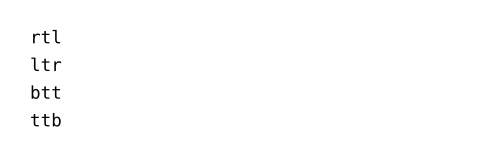
ltr: Left to right.rtl: Right to left.ttb: Top to bottom.btt: Bottom to top.
These values are available globally and also in the direction type's scope, so you can write either of the following two:
#stack(dir: rtl)[A][B][C] #stack(dir: direction.rtl)[A][B][C] 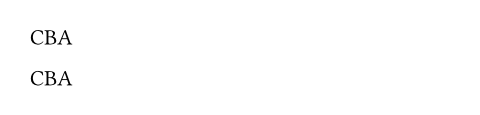
Definitions
from
Returns a direction from a starting point.
 View example
#direction.from(left) \ #direction.from(right) \ #direction.from(top) \ #direction.from(bottom) 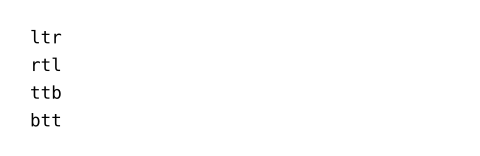
side
to
Returns a direction from an end point.
View example
#direction.to(left) \ #direction.to(right) \ #direction.to(top) \ #direction.to(bottom) 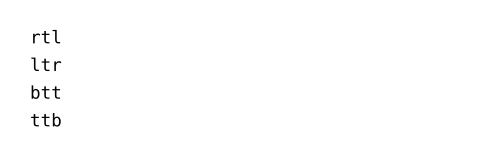
side
axis
The axis this direction belongs to, either "horizontal" or "vertical".
View example
#ltr.axis() \ #ttb.axis() 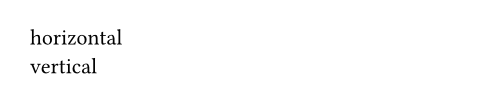
sign
The corresponding sign, for use in calculations.
View example
#ltr.sign() \ #rtl.sign() \ #ttb.sign() \ #btt.sign() 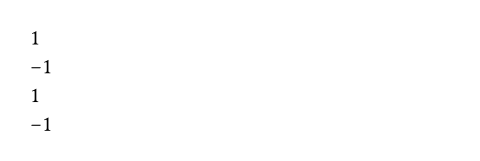
start
The start point of this direction, as an alignment.
View example
#ltr.start() \ #rtl.start() \ #ttb.start() \ #btt.start() 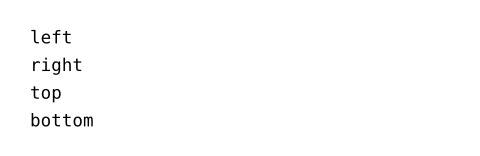
end
The end point of this direction, as an alignment.
View example
#ltr.end() \ #rtl.end() \ #ttb.end() \ #btt.end() 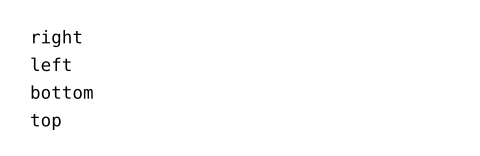
inv
The inverse direction.
View example
#ltr.inv() \ #rtl.inv() \ #ttb.inv() \ #btt.inv()